200 Apps, 5 Habits: How to Finally Stop Drowning in Mobile Clutter
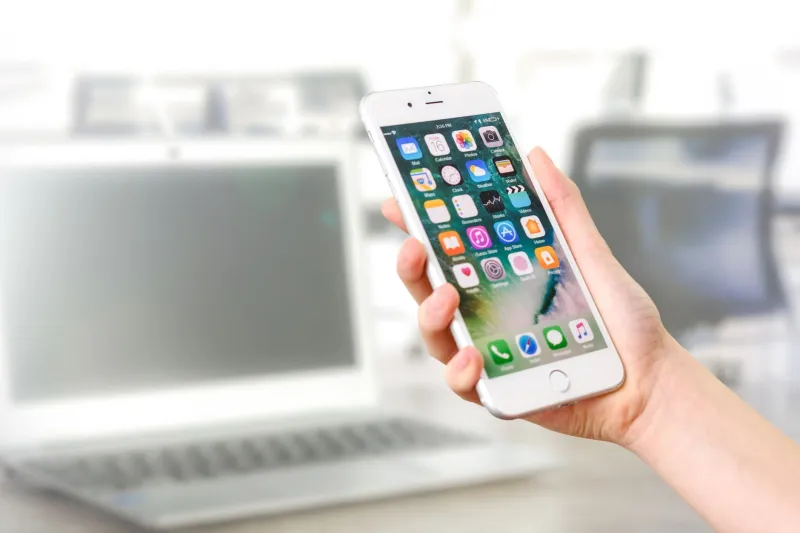
Open your app library right now. Go ahead. Scroll through it.
There's a solid chance you just rediscovered three apps you downloaded during the pandemic, two fitness trackers you used for exactly one week, a barcode scanner you needed once in 2019, and at least one game you have zero memory of installing. And somehow, despite owning all of this digital real estate, you probably opened the same five or six apps before lunch today.
You're not disorganized. You're not bad at technology. You're a normal person caught in a system that was specifically engineered to make you accumulate apps like a digital hoarder — and then feel vaguely stressed about it.
The Psychology of App Hoarding
Behavioral economists have a concept called the endowment effect: once you own something, you value it more than you would if you didn't own it. Free apps have weaponized this beautifully. Because downloading costs you nothing, the barrier to acquisition is essentially zero. But because you now own the app, deleting it feels like a small loss — even if you've never opened it.
Then there's anticipatory utility — the pleasure you get from imagining how useful something will be. When you download a language-learning app at midnight, you're not really downloading Duolingo. You're downloading the version of yourself who speaks fluent Spanish by summer. The app is a vessel for optimism. Of course you're not going to delete it.
App stores are also masterfully designed to encourage impulse acquisition. Featured lists, "limited time free" banners, friend recommendations, "you might also like" carousels — it's the same psychology as checkout-lane candy, except the candy doesn't slow down your phone or drain your battery.
Research from app analytics firms consistently shows that the average American smartphone has somewhere between 80 and 100 apps installed, but active monthly usage clusters tightly around 9 to 12. The other 70-plus apps are essentially furniture — present, vaguely reassuring, never touched.
What App Clutter Is Actually Costing You
This isn't just an aesthetic problem. The performance costs of app bloat are real, measurable, and annoying.
Storage and speed. Apps take up space, obviously, but the impact goes beyond gigabytes. Many apps run background processes, sync data, and refresh content even when you're not using them. A phone with 150 apps has dramatically more background activity than one with 30 — which translates to slower performance, more RAM pressure, and a battery that drains faster than it should.
Notification chaos. Each app you install is a potential notification sender. Even with many disabled, the cumulative weight of managing notification permissions, clearing badge counts, and occasionally dealing with alerts from apps you forgot you had creates a low-level cognitive tax. Researchers at the University of California, Irvine found that it takes an average of 23 minutes to fully regain focus after an interruption. Multiply that by a dozen random pings a day.
Decision fatigue. This one's subtle but significant. Every time you unlock your phone, your brain has to scan its options and make a choice. A home screen with 12 apps requires much less cognitive effort than one with 60. Decision fatigue is real — it's the same reason President Obama famously wore only gray or blue suits. Fewer choices in one area means more mental energy for things that matter.
Mental load. There's a specific low-grade anxiety that comes from an overwhelming home screen — the digital equivalent of a cluttered desk. You know things are in there that you should deal with. Apps you signed up for and abandoned. Subscriptions you might still be paying for. Accounts you never set up properly. The clutter carries emotional weight even when the screen is off.
Why the App Economy Doesn't Want You to Quit
Here's the part that doesn't get discussed enough: app retention is a business metric. Developers and publishers track daily active users, monthly active users, and churn rates obsessively. Their revenue — whether from ads, in-app purchases, or subscriptions — depends on keeping you engaged.
That's why apps send re-engagement push notifications after you've been inactive. It's why games offer you a "reward" if you come back after 7 days away. It's why apps that you haven't opened in months suddenly notify you that "something new is waiting."
The app ecosystem is not neutral. It has a financial interest in making sure you never feel like you have too many apps, and that deleting one feels like a bigger deal than it is.
A Framework for Actually Fixing This
The goal here isn't minimalism for its own sake. It's building a phone that serves you instead of distracting you. Here's a practical approach that actually works.
Step 1: The 90-Day Rule. Go through your apps and ask one question: have I opened this in the last 90 days? If not, delete it. Not archive it, not move it to a folder — delete it. If you genuinely need it again someday, it'll take 30 seconds to redownload. You will almost never redownload it.
Step 2: One Job Per Category. You don't need three podcast apps, two to-do list apps, and four photo editors. Pick one for each function and commit to it. The switching cost of hopping between apps is higher than most people realize — you lose context, history, and habit formation every time.
Step 3: Home Screen Essentialism. Your home screen should contain only the apps you use every single day. Everything else lives in the app library (iOS) or a secondary screen (Android). Out of sight genuinely means out of mind — which is exactly what you want for apps that are trying to pull your attention.
Step 4: Nuke Your Notifications. Go to your notification settings and disable everything except the apps that genuinely need real-time access to you — messaging, calendar, maybe navigation. Everything else can wait for you to check it intentionally.
Step 5: Audit Subscriptions. Go to your App Store or Play Store subscription settings right now. Seriously, right now. There's a reasonable chance you're paying for two or three apps you haven't opened in months. Cancel them. The app economy is counting on you forgetting.
The Upside of a Leaner Phone
Here's what people who go through this process consistently report: their phone feels faster, even if the hardware didn't change. Their screen time drops — not because they set artificial limits, but because there's less to mindlessly scroll through. They feel less anxious about their device in a way that's hard to articulate but immediately noticeable.
A phone with 30 intentionally chosen apps is a supercharged tool. A phone with 200 apps is a cluttered junk drawer that happens to make calls.
You downloaded most of those apps in a moment of optimism about who you were going to become. That's actually kind of great. But the version of you who's going to crush it going forward? They need a clean workspace.