Rigged From the Start: How Your Phone's Default Apps Are Quietly Killing the Competition
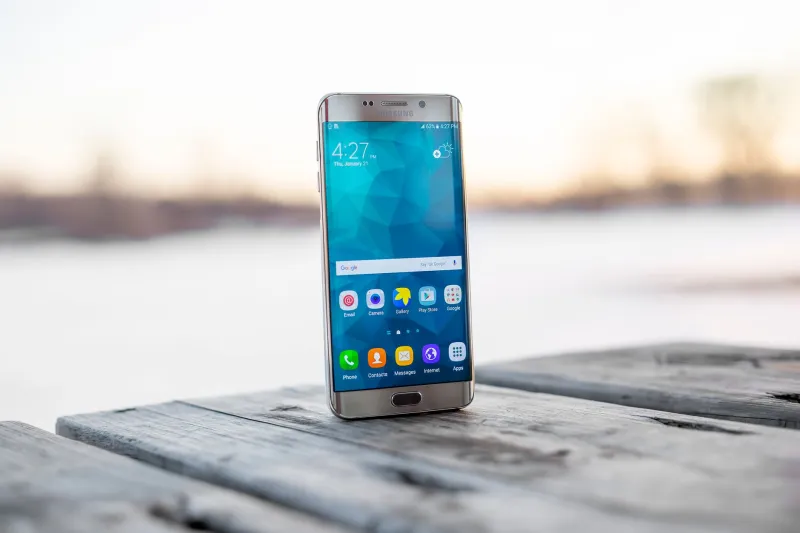
Imagine signing up for a cooking competition where the judges happen to be the family members of one of the contestants. That's essentially what's happening every time you pull a brand-new smartphone out of the box. The apps that came pre-installed aren't just sitting there innocently. They've got home-field advantage — and it's baked right into the operating system.
This isn't a conspiracy theory. It's a business model. And once you see how it works, you'll never look at your default browser or stock email app the same way again.
The Invisible Thumb on the Scale
When Apple ships an iPhone, Safari doesn't just come pre-installed — it gets woven into the fabric of iOS itself. Same story with Google and Chrome on Android. These aren't just apps sitting in a folder. They're deeply integrated into how the operating system handles links, renders web content, and shares data between services.
Here's where it gets sneaky: third-party browsers on iOS, for years, were legally required to use Apple's WebKit engine under the hood. That meant Firefox, Chrome, and DuckDuckGo on your iPhone were essentially Safari with a different paint job. Apple's own browser, meanwhile, got to optimize around WebKit in ways competitors simply couldn't match. The EU's Digital Markets Act finally forced Apple to open this up for European users in 2024 — but if you're in the US, you're still largely playing by Apple's rules.
On Android, Google has faced its own antitrust scrutiny. A landmark 2023 federal court ruling found that Google illegally maintained its search monopoly, partly by paying billions to be the default search engine on devices — including its own. The incentives to keep Google's apps front and center are enormous, and those incentives trickle down into how Android is architected.
Speed Games Nobody Talks About
Performance is where things get especially murky. Developers of third-party apps have long complained — sometimes quietly, sometimes loudly — that their software doesn't get the same system-level access as built-in alternatives. This matters more than most people realize.
Background refresh, push notifications, battery optimization exceptions — these are features the operating system controls. And while Apple and Google both claim their platforms treat all apps equally, the lived experience of developers tells a different story. Apple's own Messages app, for instance, can wake up and sync in ways that third-party messaging apps simply can't without burning through your battery. That's not a coincidence. It's architecture.
Some Android manufacturers take this even further. Certain OEMs have been caught aggressively killing background processes for third-party apps while leaving their own software untouched. The website Don't Kill My App — yes, that's a real resource — has documented how brands like OnePlus, Huawei, and Samsung have implemented battery optimization policies that disproportionately throttle competing apps. Your favorite alarm app missing an alarm? There's a decent chance the phone manufacturer's own software was getting priority access to system resources.
The Default Trap
There's also the psychological and technical weight of being the default. Research consistently shows that most users never change default settings. Apple and Google know this. That's why the fight over default status is worth billions of dollars — literally. Google's deal to be the default search engine on Safari reportedly cost the company around $18 billion in a single year.
For the average person, defaults become invisible infrastructure. You don't consciously choose Safari every time you tap a link — it just opens. You don't choose Google Maps when someone texts you an address — it just launches. The choice was made for you before you even turned the phone on, and the friction involved in changing it is deliberately higher than it needs to be.
Try setting a third-party email app as your default on an iPhone sometime. It's doable now — Apple opened that up in iOS 14 — but you'll navigate multiple settings menus to get there. Compare that to how effortlessly the Mail app integrates with Siri, Spotlight search, and other system features, and the imbalance becomes pretty obvious.
What You Can Actually Do
Okay, so the deck is stacked. That doesn't mean you're powerless. Here's how to start pushing back.
Change your defaults deliberately. On both iOS and Android, you can set third-party apps as your default browser, email client, and more. It takes a few minutes, but it matters. Go to Settings > Apps on Android or Settings > [App Name] > Default Browser App on iOS. Do it once and you'll stop feeding the machine by accident.
Use the web versions of apps when possible. If you're worried about a company's app getting preferential system access, the browser-based version levels the playing field — somewhat. It's not perfect, but it removes some of the OS-level favoritism from the equation.
Pay attention to what's draining your battery. Go into your battery settings and look at which apps are consuming the most power. If a manufacturer's bloatware is near the top of that list despite you barely using it, that tells you something about how system resources are being allocated.
Research before you buy. Sites like Don't Kill My App and various developer forums document which manufacturers play nicest with third-party software. If you're someone who relies heavily on non-stock apps, that should factor into your next phone purchase.
Sideload carefully on Android. Android's relative openness means you can install apps outside the Play Store, and some third-party alternatives — particularly browsers and launchers — can give you a meaningfully different experience. Just stick to reputable sources and understand the security tradeoffs.
The Bigger Picture
This isn't just about which email app you use. It's about who controls your digital experience and how much of that control you've quietly handed over without realizing it. When the company that makes your phone also makes the apps your phone is optimized to run, the line between helpful integration and anticompetitive behavior gets very blurry very fast.
Regulators in the US are starting to pay more attention — the Google antitrust ruling is just one example — but legislative change moves slowly. In the meantime, the most powerful thing you can do is make deliberate choices about your own phone. Because right now, if you're not choosing, someone else already chose for you.