Zero Dollars, Maximum Profit: The Secret Business Models Hiding Inside Your Favorite Apps
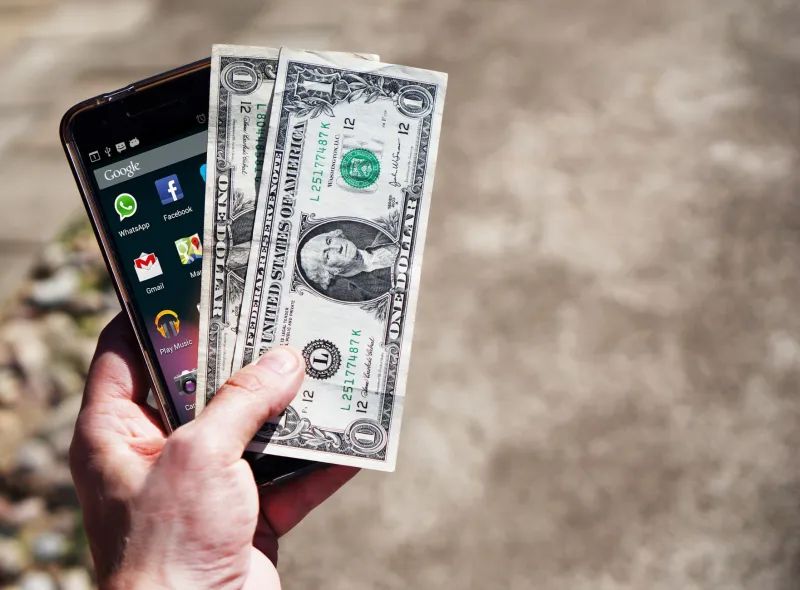
Here's a thought experiment. Open your phone right now and count how many apps you've actually paid for. For most people, that number is embarrassingly small — maybe a game or two, a streaming service, a niche productivity tool. The rest? Free. All of them.
And yet the companies behind those free apps are pulling in serious revenue. Billions of dollars, in some cases. If you're not the customer, you're the product — that line gets thrown around a lot, but most people have only a vague sense of what it actually means in practice. Let's get specific.
Behavioral Data: The Currency You Didn't Know You Were Spending
Every tap, scroll, pause, and swipe you make inside an app generates data. Not just what you do, but how you do it — how long you hover over a product image before moving on, which notifications you open immediately versus ignore, what time of day you're most active. This behavioral fingerprint is incredibly valuable to advertisers, data brokers, and even political campaigns.
Apps package this data and sell it to third-party data brokers, who then resell it to anyone willing to pay. You might think your grocery list app has nothing interesting to offer, but combine your location history, purchase patterns, and browsing behavior and suddenly you're a highly detailed consumer profile ready to be monetized. The app developer didn't need you to spend a dime. They just needed you to show up regularly.
The Psychology of the "Almost Free" Experience
Free apps rarely stay fully free. Most operate on what's called a freemium model — you get basic functionality at no cost, but the good stuff is locked behind a paywall. That's not inherently deceptive. What gets murkier is how that paywall gets introduced.
Developers spend serious money studying the exact moment users are most emotionally primed to convert. Hit a high score in a mobile game? That's when the upgrade prompt appears. Finally organize your task list after weeks of chaos? Boom — premium offer. The timing isn't accidental. It's engineered.
Some apps use what researchers call "variable reward loops" — the same psychological mechanism behind slot machines. You don't know when the next satisfying hit is coming, so you keep engaging. More engagement means more data, more ad impressions, and more opportunities to nudge you toward spending.
Subscription Dark Patterns: The Fine Print That Costs You
Subscription models have exploded in the app economy, and not all of them play fair. A common tactic: offer a "free trial" that requires a credit card upfront, then bury the cancellation process deep inside settings menus or behind customer service workflows designed to frustrate you into giving up.
Another move? Anchoring. Apps display a higher monthly price right next to an annual plan, making the yearly subscription feel like a steal — even if you only needed the app for two weeks. Some apps quietly change their pricing tiers after you've already subscribed, counting on the fact that most people don't audit their monthly charges.
The FTC has started cracking down on some of these practices, but the app stores — both Apple's App Store and Google Play — still host thousands of apps that rely on subscription confusion as a core revenue strategy. If you've ever looked at your bank statement and thought "wait, I'm still paying for that?" you've been on the receiving end of this playbook.
Affiliate Marketing You Never Agreed To
A lot of apps — especially those in the shopping, travel, or finance space — earn commissions every time you complete a transaction through them. That sounds fine in principle. The problem is that this incentive structure can quietly shape what recommendations you see.
A travel app might surface hotel options not because they're the best value for your search, but because they carry the highest affiliate payout. A personal finance app might recommend a credit card based on the referral bonus it collects, not your actual financial situation. The app isn't lying to you, exactly. But it's also not exactly working for you.
This is especially common in apps marketed as neutral comparison tools. Price comparison apps, insurance aggregators, coupon platforms — many of these are essentially affiliate marketing engines dressed up as helpful utilities.
In-App Purchases and the Illusion of Control
Gaming apps pioneered the in-app purchase model, and it's now everywhere. The mechanics are sophisticated. Virtual currencies (coins, gems, tokens) create psychological distance between you and real money — spending 500 gems doesn't feel like spending $4.99, even when that's exactly what it is.
Limited-time offers trigger scarcity anxiety. "Only 3 hours left on this deal!" is designed to short-circuit rational thinking. Starter packs priced at $0.99 are intentionally cheap to get you past the psychological barrier of spending anything at all — once you've paid once, you're statistically far more likely to pay again.
Kids are a particularly targeted demographic here. Apps rated for general audiences often include in-app purchase mechanics that are deliberately confusing for younger users, and plenty of American parents have discovered unexpected charges because a child didn't fully understand what they were tapping.
What You Can Actually Do About It
Knowing how the machine works is the first step to not getting chewed up by it. A few practical moves:
Audit your subscriptions regularly. Both iOS and Android have built-in subscription management tools. Check them monthly. Cancel anything you haven't actively used in 30 days.
Read the permissions. An app that wants access to your contacts, microphone, and location when it's a flashlight app is collecting data, not providing a service. Deny what doesn't make sense.
Use payment privacy tools. Virtual card numbers (offered by some banks and services like Privacy.com) let you cap what an app can charge and cancel the card without affecting your main account.
Be skeptical of "free" comparison tools. If an app is helping you choose between financial products, insurance plans, or travel options for free, ask yourself how it's making money. The answer usually shapes the recommendations you're seeing.
The Bottom Line
Free apps aren't charities. Every one of them has a business model, and most of those models involve extracting something from you — your attention, your data, your spending habits, or your willingness to pay for features you've already been conditioned to want. That's not necessarily evil, but it is worth understanding.
Your phone is one of the most powerful tools you own. It's also one of the most lucrative platforms ever built for reaching into your wallet without you fully noticing. The more you understand how that works, the better equipped you are to actually use your apps — instead of being used by them.